Featured

Lions, Tigers, & Bears, Oh My!

Dr. Stec’s Heartworm Schpeel

Arkansas is currently #3 in the nation for heartworm cases

I like to tell my clients “Parasites love Arkansas.”  It’s true, and, as veterinarians, we see a lot of parasites on a daily basis.  So much so that we spent two semester classes devoted solely to parasites when I went to vet school.   Heartworms are one of the major parasites we study.  As mosquito populations are changing, heartworms are becoming increasingly more common in the Arkansas River Valley.  According to the American Heartworm Society, Arkansas is currently #3 in the nation for heartworm cases.

What is it?

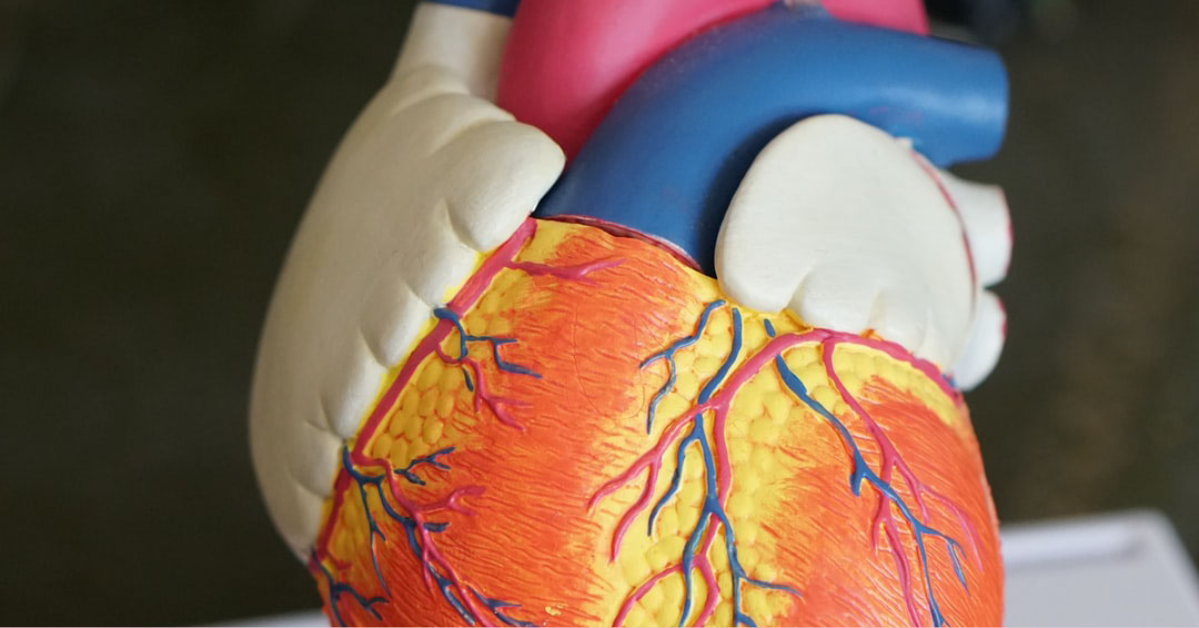
What it sounds like – literally worms in your dog’s heart.  This leads to lung and cardiac damage as well as heart failure.  The scientific name of the most common heartworm is Dirofilaria immitis.  The microfilaria (babies) are carried by mosquitoes.  Mosquitoes feed on a pet and inject the microfilaria.  Those microfilariae develop into several different stages of larva.  The larvae then grow into adult heartworms in dogs’ left ventricle and pulmonary artery (main vessel that goes from the heart to the lungs.)  If there are both sexes of heartworms, they then reproduce and microfilaria are released into the bloodstream.  Mosquitos feed and the cycle continues.  The heartworm life cycle is about seven months long, but adults often live for 5-7 years if the pet does not succumb to the parasite.

Who gets it?
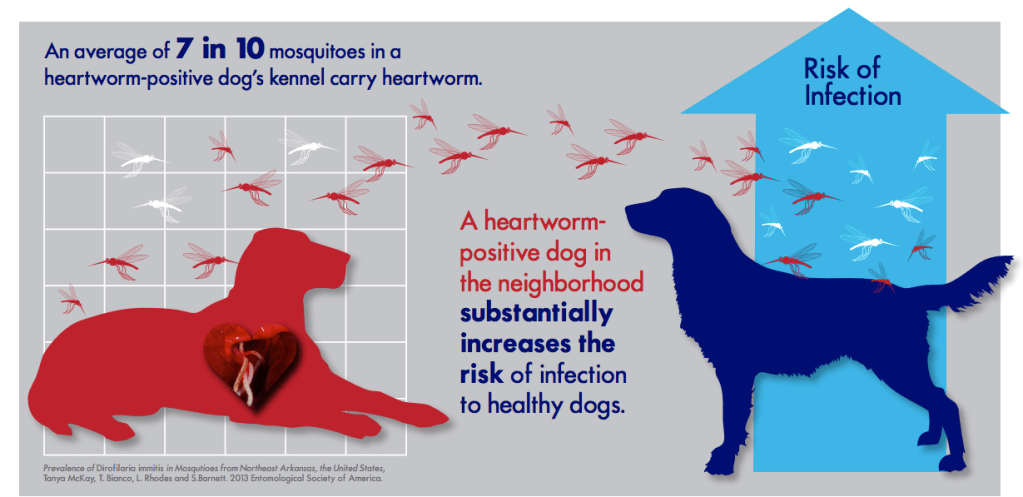
Lions, tigers, and bears, oh my!  Dogs are the primary natural host for heartworms and all dogs in endemic areas are susceptible (even indoor dogs who just go outside to potty).  IT IS RECOMMENDED THAT ALL DOGS IN THE ARKANSAS RIVER VALLEY STAY ON A HEARTWORM PREVENTATIVE.  Cats can contract heartworms, but they are not the standard host for the parasite.  In cats, only one or two adults develop and then cause lung inflammation.  Coyotes, ferrets, sea lions, seals, lions, tigers, and bears can also contract heartworm disease.  There are few incidents of a human contracting an adult heartworm as an unusual host, but, realistically, humans do not get heartworms.

How are heartworms diagnosed?

Our primary test for heartworms is an in-house heartworm antigen test.  The antigen tests for female adult heartworms.  False negatives can occur if there is a male only population of adults (uncommon) or if there are immature stages.  If a pet has not been on heartworm preventative or has had a lapse in their preventative schedule (which happens to the best of us), a recheck test should be performed six to seven months after an initial negative test to fully confirm negative status.  Your veterinarian may also do a microfilaria check – a simple evaluation of the blood under the microscope to look for the microfilaria.  There are also changes on chest radiographs that can lead to a heartworm diagnosis.  Dogs with heartworm disease may have clinical signs of coughing, exercise intolerance, lethargy, and / or weight loss.  In advanced cases, dogs will develop a swollen abdomen.

What kind of preventative do I use?

There is a plethora of preventatives available.  Monthly preventatives generally combine an intestinal dewormer and perhaps a flea control.  There are also six month and twelve month injections available.  Your veterinary clinic can help you choose which preventative is best for your pet’s lifestyle.  The most important part is that they stay on something.  Heartworm preventative is a PRESCRIPTION.  If you are getting it online without your veterinarian’s approval, it’s likely a counterfeit.  If you are getting it from the pet store, you’re likely just buying a flea and/or tick control.  There is no effective “natural” or home remedy type preventative.  However, preventatives are not synthetic compounds.

Why is it a prescription?

Preventatives are rather safe.  However, if a heartworm positive dog is given a preventative there is an increased risk of an embolism.  Preventatives are part of the treatment for positive dogs, but are given under veterinary guidelines with additional medications.  Also, your veterinarian may choose specific preventatives for dogs with seizure disorders.

If a dog has heartworms, can it be treated?

Most of the time, yes.  Treatment is somewhat complicated but involves several injections of a drug called immiticide.  A positive dog will require cage rest for several months during treatment.  “Slow kill” is available in certain scenarios, but is not recommended by the American Heartworm Society.  Slow kill takes approximately two years.  It is discouraged due to the potentiation of heartworm resistance and that the worms will still be doing damage during the long treatment.  Dogs will also be at risk of embolism during those two years.  In advanced cases, surgical removal by a specialist may be necessary. Unfortunately, cats cannot go through immiticide treatment.

Where can I find more information?

Visit heartwormsociety.org for a wealth of heartworm information.  As always, your veterinary staff can answer most questions regarding the disease.

If you need a test, come see me at Alma Animal Clinic! Or, you may find me serving as a relief veterinarian at a local clinic. Give your furry kiddo hugs from me!

-Nicole Stec Phillips, DVM

References

Heartworm Basics. (2020, February 20). Retrieved from American Heartworm Society: https://www.heartwormsociety.org/pet-owner-resources/heartworm-basics
Featured

Schnauzers & French Fries Don’t Mix

Pancreatitis in Vet Med

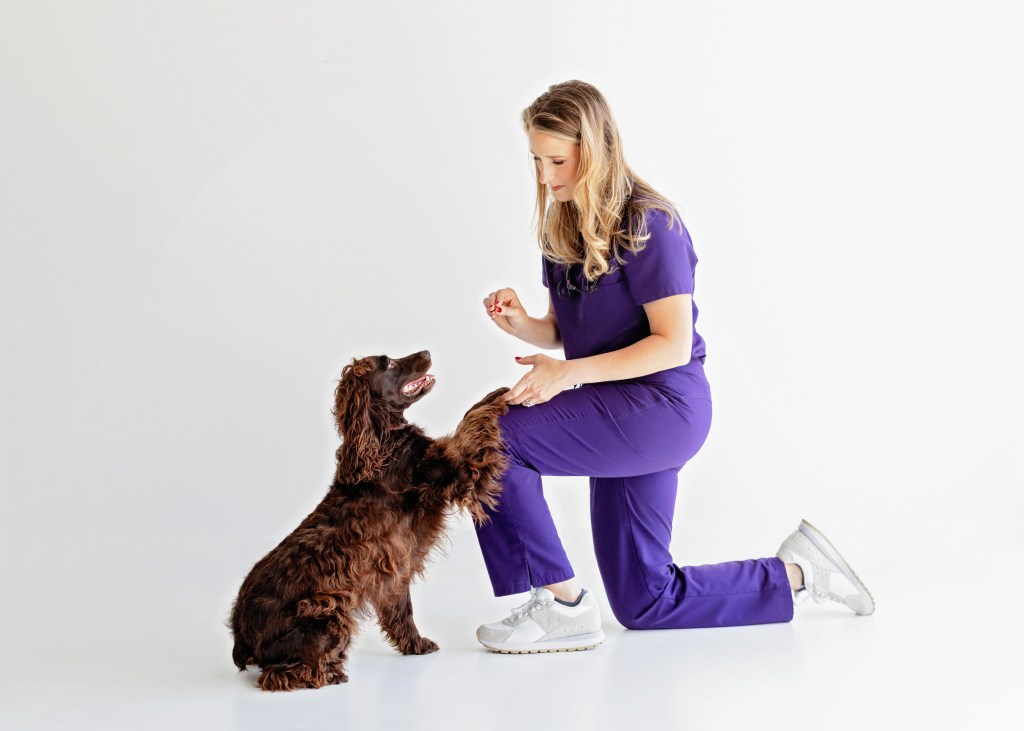
Dr. Stec, Pet Vet

Up all night while your pet has had vomiting or diarrhea?  There is a decent chance he or she has developed pancreatitis, especially if they ate a fatty food before their bellyache.  Even a single, innocent French Fry can start the disease, including dogs who have tolerated human foods in the past.  Pancreatitis is a fairly common disease process in canines, especially in small breed dogs.  Mild cases often resolve with a day or two of hospitalization, but severe or complicated cases can result in death.

What animals get pancreatitis?

NEVER, EVER FEED A MINIATURE SCHNAUZER A FATTY MEAL.  They are “poster children” for pancreatitis, and sometimes develop the condition despite a normal diet.  Small breed dogs are more commonly affected than large breed.  Pancreatitis has no known age or gender predilections.   In cats, it often coincides with “triaditis” — pancreatitis, cholangitis (gallbladder disease), and inflammatory bowel disease. 

How does it happen?

Part of the pancreas’s normal job is to release inactive digestive enzymes called zymogens into the small intestine.  After they are inside the small bowel, they are activated into very potent digestive agents.  The bowel’s wall acts as a barrier to keep these activated enzymes from damaging the rest of the body.  In pancreatitis, these enzymes are activated in the pancreas and often seep into the tissues around the pancreas such as the liver, gallbladder, and stomach causing a lot of painful damage.  The true cause is unknown but this activation is often linked to hyperstimulation from fatty diets.  Common offenders include roasts, fast foods, bacon, spicy foods, and sausage.  Other disease linkages include diabetes, genetic predisposition, or cancers.

In some cases, pancreatitis can progress to sepsis, acute kidney failure, gallbladder duct obstruction, necrotizing pancreatitis, and / or total organ failure.   Once a pet has an episode of pancreatitis, they can be prone to future, often more severe, episodes.  

What are the symptoms of pancreatitis?

Symptoms include anorexia, weight loss, lethargy, vomiting, fever, and / or diarrhea.  Sometimes pets have a tender abdomen when palpated or picked up. The symptoms of pancreatitis are vague, so testing is needed to confirm the diagnosis.

So, how is pancreatitis diagnosed?

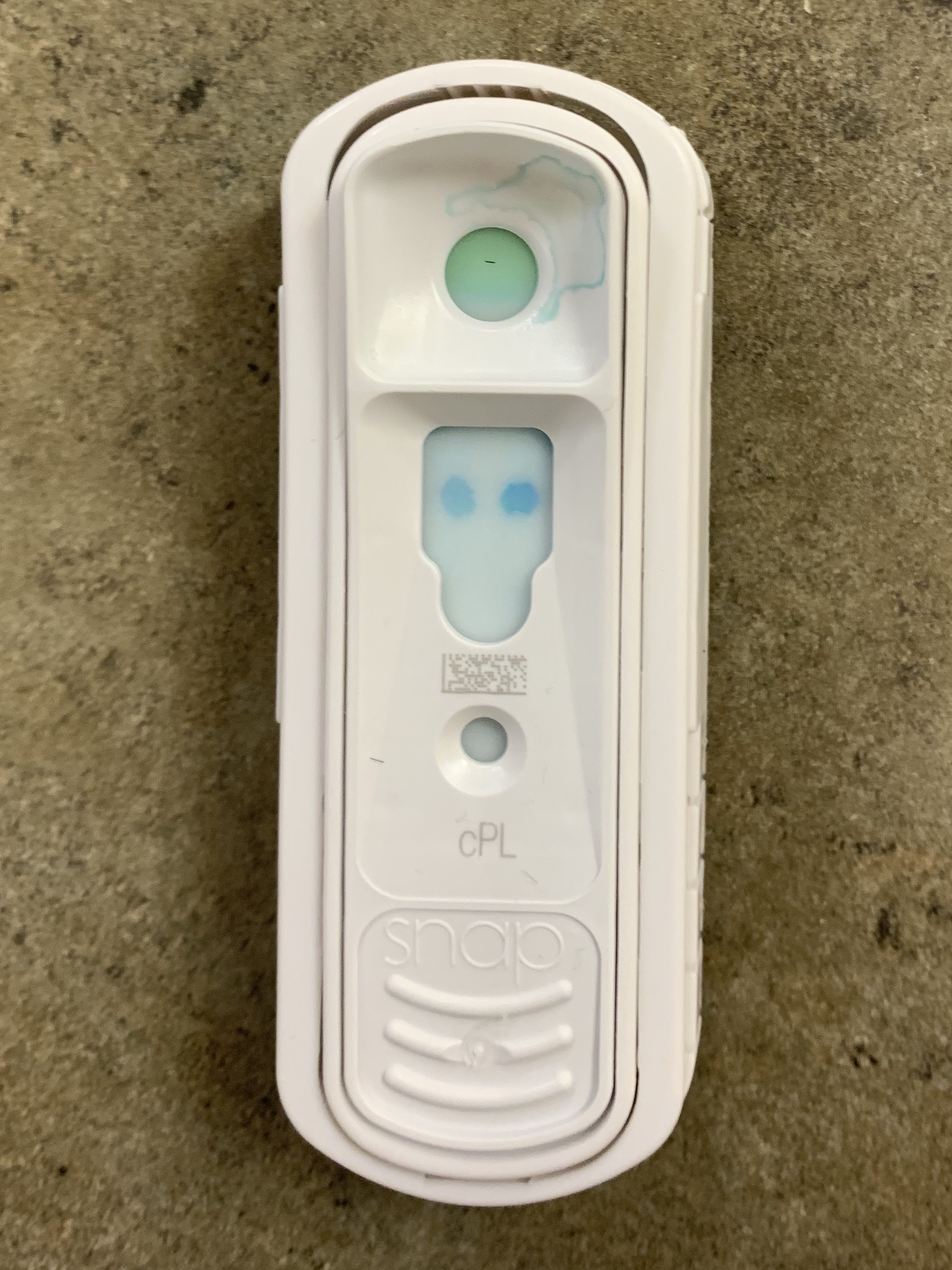
cPL SNAP test

Baseline labwork including a complete blood count and blood chemistries help narrow the diagnosis and evaluate for complicating factors.  Labwork also helps us evaluate the severity of your pet’s overall medical state.  A specific pancreatic test called a cPL is often positive.  Abdominal ultrasound is very useful in diagnosing and evaluating the condition.  Your veterinarian may request abdominal radiographs as well.

How is it treated?

Treatments vary based on the severity of the pet and test results.  Treatments may include intravenous fluids, electrolytes, IV pain medications, antinausea medications, probiotics, antacid injections, and antibiotics.  Pets may be held off food for 24-48 hours to allow the pancreas to rest, then a prescription low fat diet is introduced.  Mild cases are sent home in 1-3 days.  More severe cases are hospitalized for a week or more.  

Home Care

A bland diet should be fed for at least 3-7 days after discharge.  Often a prescription diet will be sent home.  A homecooked diet can include plain rice, white chicken breast (without skin), and low sodium chicken broth.  They should then be transitioned to the diet your veterinarian recommends longterm.  Some diarrhea may persist for a few days that should slowly resolve.  If vomiting is noted or your pet becomes more lethargic, call your veterinarian.  

Once a pet has had an episode of pancreatitis, do not feed human food unless your veterinarian approves of the specific diet!  

End Note

Overall, this can range from a simple fix to a very serious condition.  Ask your veterinarian for more information about pancreatitis.  You can also visit veterinarypartner.com regarding this and many other common ailments.

Nicole Stec Phillips, DVM

Relief Bookings

Message to inquire regarding emergency or urgent care relief availability. Limited spots are available. For pet appointments or questions, please call Alma Animal Clinic at 479-430-7280.

← Back

Thank you for your response. ✨

Warning
Warning
Warning
Warning.

Felix Hates the Carrier


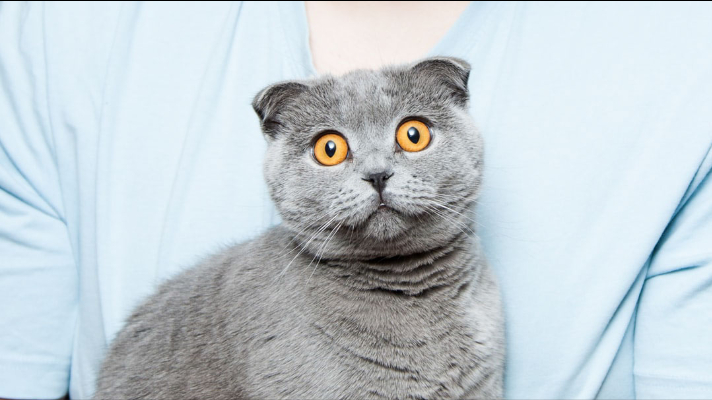
Does your cat HATE the carrier? Does he sadly meow the entire car ride? Now, don’t expect any magic spells, but there are definitely some things you can do to take his anxiety level from an 8 to a 3 or 4.

Here are some proactive tips…


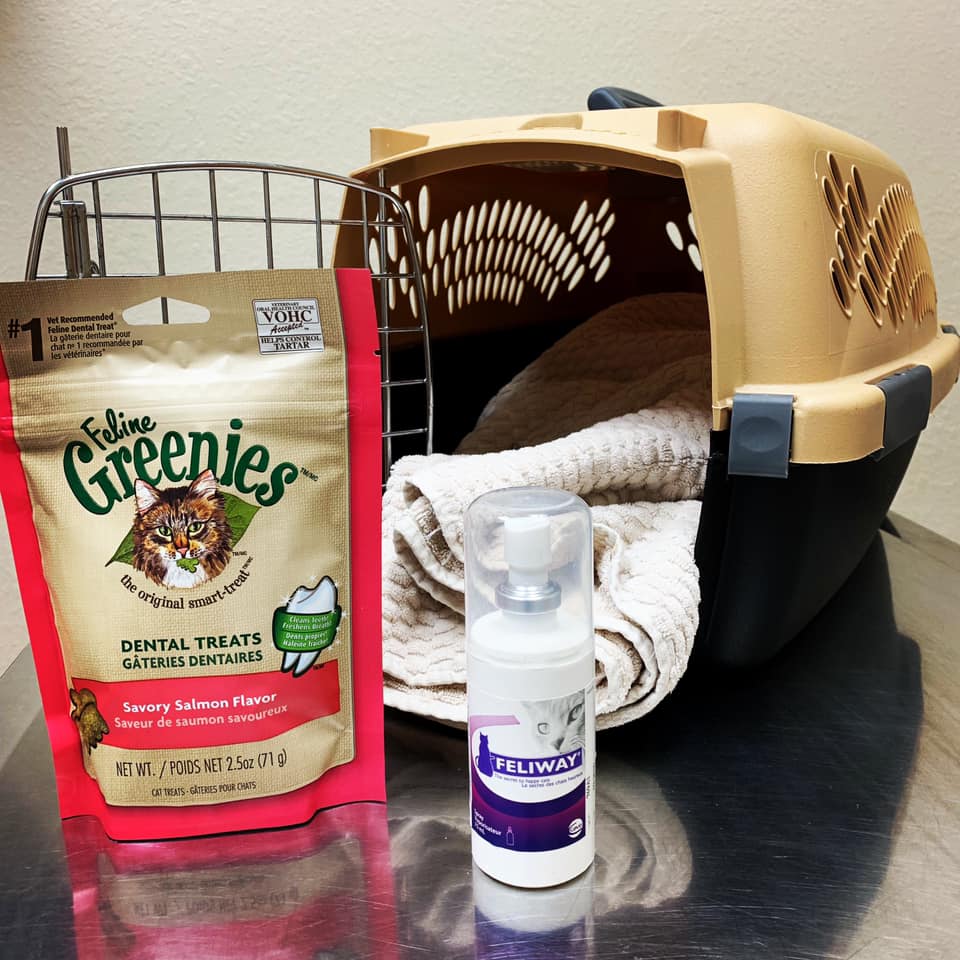
🔹 Clean the carrier with a neutral cleanser then set it in the sun to dry. (No citrus cleaners! Cats do NOT like citrus.) This helps remove negative pheromones from previous experiences or pets. Pheromones are a big deal for cats and dogs, y’all.


🔹 Put a favorite towel or blanket inside.


🔹 Sprinkle yummy treats in the back. You can also try catnip.


🔹 Spray FeliWay (available at most vets). This is a “happy” pheromone spray with scientific evidence. You may notice your vet has diffusers in the exam rooms. There’s a good likelihood it’s not just a “fresh linen” plug in, rather they have invested in FeliWay for their practice to minimize your pet’s stress.


🔹 Place the carrier in a familiar place in your home with the door open


🔹 Wait! The more time your kitty spends around the crate, the less they will associate it with the stress of leaving their normal environment.

Other notes:

🔹 If you have a honeysuckle bush, you can cut off a thick branch and place it inside the carrier. I have not tried this yet, but heard at a conference that cats find honeysuckle very interesting.

🔹 If your cat vomits during car rides, there are pretty effective motion sickness medications that can be prescribed for future visits. There are also prescription medications for situational anxiety available for severely anxious or fractious kitties.

🔹 It’s best to start this process more than the night before… but just do the best you can. Some days it’s hard to get my kids fed and my own teeth brushed, so I get it. 🐾

-Nicole Stec Phillips, DVM

About this blog & Dr. Stec

I am a regular person with a passion for animals and a curiosity about how Creation works. So I became a veterinarian. On this blog I hope to discuss how we can help your pet and provide some insight into the veterinary world. Some other topics could get sprinkled in, time will tell! Blogging is new to me, so I’m just winging it.

Why a blog?

  • Help some pets!
  • Help some pet owners / pet parents / pet lovers… whatever title suits you, you get my drift
  • Create a bit of a bridge over the divide that the exam table can create, for both sides!
  • Discuss some hard stuff on occasion

What’s my story?

I grew up in the River Valley with a large Catholic extended family, then went to Oklahoma State for undergrad. (Go Pokes!) I was blessed enough to walk on to the NCAA Equestrian Team there and was later captain. Received my Animal Science degree with an emphasis on Animal Biotechnology. I stayed there to live and breathe veterinary medicine for four years and graduated as a DVM in 2010. Currently, I practice part time at Alma Animal Clinic with my husband, Dr. Phillips, and the owner, Dr. Green. I also do some relief work. Things are good.

What do I work on?

  • Dogs (I love Boxers)
  • Cats
  • Pocket Pets (also love rabbits)
  • Reptiles
  • Occasionally a horse, but mostly just my own (Irish Sport Horses for hunter / jumper stuff)

In my “free” time I wrangle children, ride horses when I can, dabble in photography, and pretend to have a green thumb.