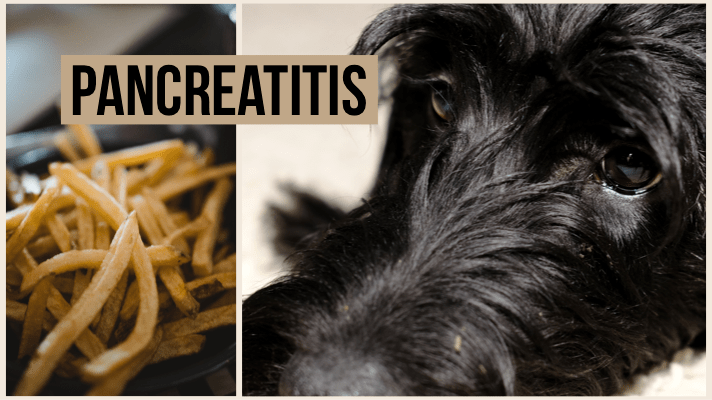
Pancreatitis in Vet Med
Dr. Stec, Pet Vet
Up all night while your pet has had vomiting or diarrhea? There is a decent chance he or she has developed pancreatitis, especially if they ate a fatty food before their bellyache. Even a single, innocent French Fry can start the disease, including dogs who have tolerated human foods in the past. Pancreatitis is a fairly common disease process in canines, especially in small breed dogs. Mild cases often resolve with a day or two of hospitalization, but severe or complicated cases can result in death.
What animals get pancreatitis?
NEVER, EVER FEED A MINIATURE SCHNAUZER A FATTY MEAL. They are “poster children” for pancreatitis, and sometimes develop the condition despite a normal diet. Small breed dogs are more commonly affected than large breed. Pancreatitis has no known age or gender predilections. In cats, it often coincides with “triaditis” — pancreatitis, cholangitis (gallbladder disease), and inflammatory bowel disease.
How does it happen?
Part of the pancreas’s normal job is to release inactive digestive enzymes called zymogens into the small intestine. After they are inside the small bowel, they are activated into very potent digestive agents. The bowel’s wall acts as a barrier to keep these activated enzymes from damaging the rest of the body. In pancreatitis, these enzymes are activated in the pancreas and often seep into the tissues around the pancreas such as the liver, gallbladder, and stomach causing a lot of painful damage. The true cause is unknown but this activation is often linked to hyperstimulation from fatty diets. Common offenders include roasts, fast foods, bacon, spicy foods, and sausage. Other disease linkages include diabetes, genetic predisposition, or cancers.
In some cases, pancreatitis can progress to sepsis, acute kidney failure, gallbladder duct obstruction, necrotizing pancreatitis, and / or total organ failure. Once a pet has an episode of pancreatitis, they can be prone to future, often more severe, episodes.
What are the symptoms of pancreatitis?
Symptoms include anorexia, weight loss, lethargy, vomiting, fever, and / or diarrhea. Sometimes pets have a tender abdomen when palpated or picked up. The symptoms of pancreatitis are vague, so testing is needed to confirm the diagnosis.
So, how is pancreatitis diagnosed?
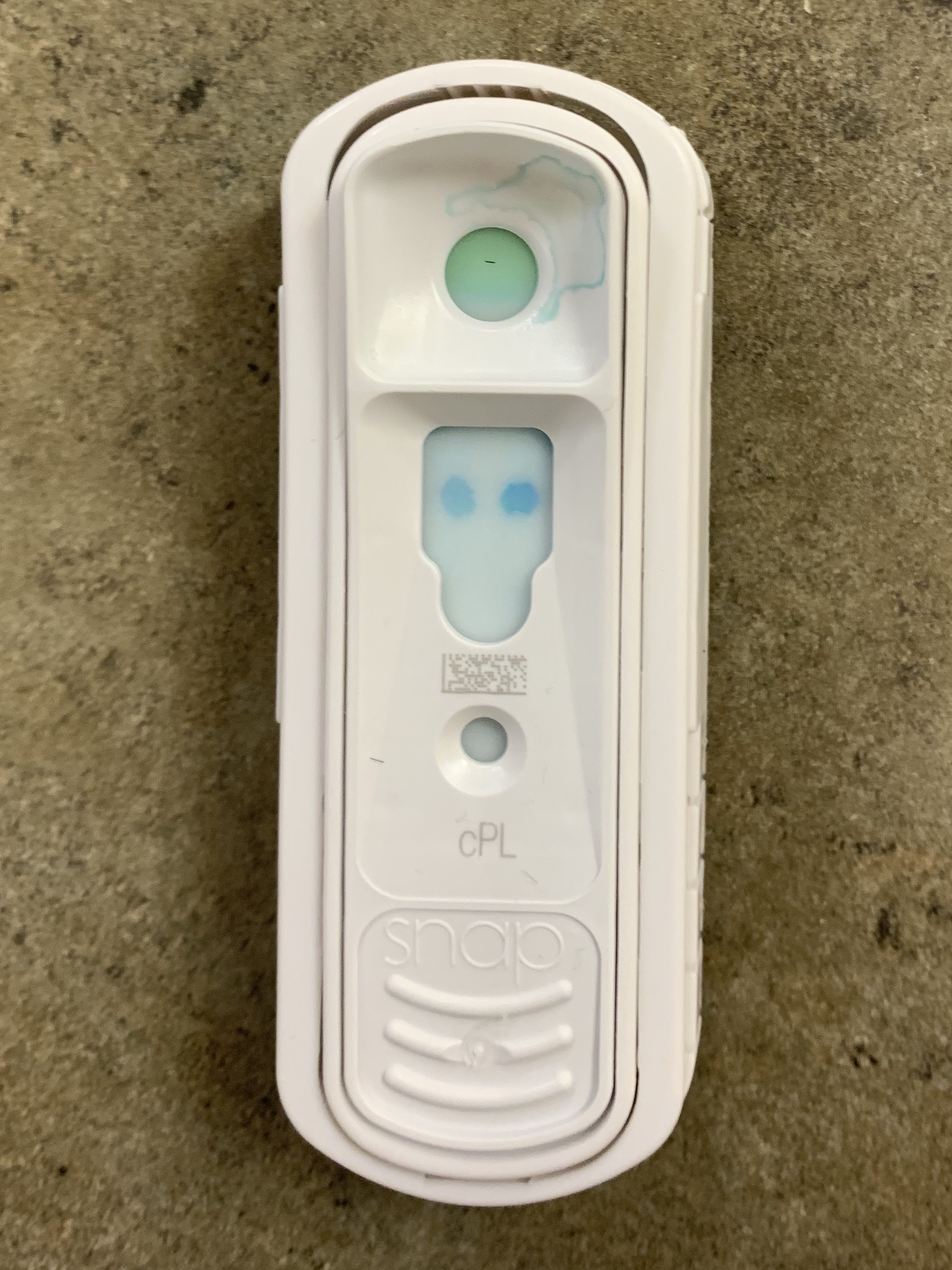
Baseline labwork including a complete blood count and blood chemistries help narrow the diagnosis and evaluate for complicating factors. Labwork also helps us evaluate the severity of your pet’s overall medical state. A specific pancreatic test called a cPL is often positive. Abdominal ultrasound is very useful in diagnosing and evaluating the condition. Your veterinarian may request abdominal radiographs as well.
How is it treated?
Treatments vary based on the severity of the pet and test results. Treatments may include intravenous fluids, electrolytes, IV pain medications, antinausea medications, probiotics, antacid injections, and antibiotics. Pets may be held off food for 24-48 hours to allow the pancreas to rest, then a prescription low fat diet is introduced. Mild cases are sent home in 1-3 days. More severe cases are hospitalized for a week or more.
Home Care
A bland diet should be fed for at least 3-7 days after discharge. Often a prescription diet will be sent home. A homecooked diet can include plain rice, white chicken breast (without skin), and low sodium chicken broth. They should then be transitioned to the diet your veterinarian recommends longterm. Some diarrhea may persist for a few days that should slowly resolve. If vomiting is noted or your pet becomes more lethargic, call your veterinarian.
Once a pet has had an episode of pancreatitis, do not feed human food unless your veterinarian approves of the specific diet!
End Note
Overall, this can range from a simple fix to a very serious condition. Ask your veterinarian for more information about pancreatitis. You can also visit veterinarypartner.com regarding this and many other common ailments.
Nicole Stec Phillips, DVM

 Dr. Stec, Pet Vet